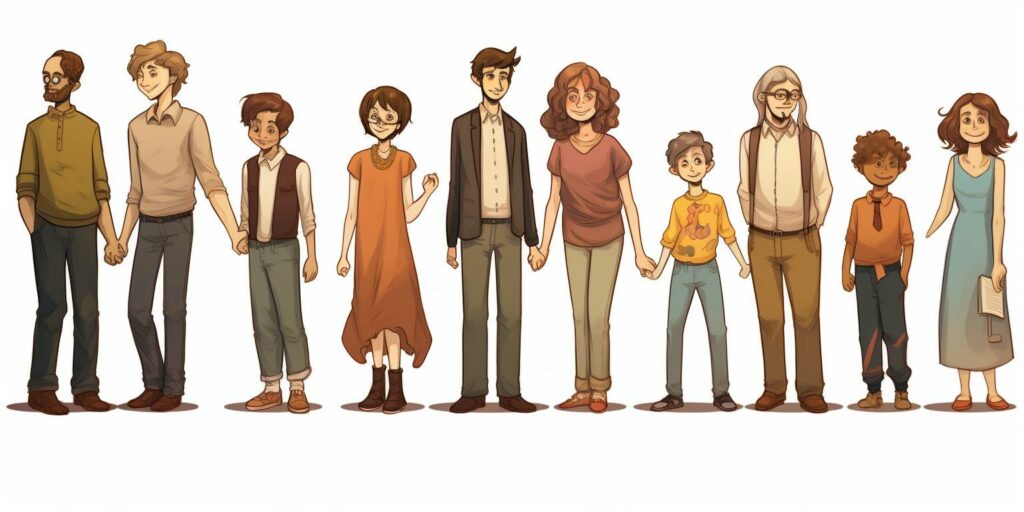
When Family Becomes a Source of Pain
Family is supposed to provide safety, love, and support. But for those raised in a narcissistic family, the opposite often happens. Instead of unconditional care, children and even adult relatives face manipulation, emotional neglect, and control. The effects can last for years, shaping identity, relationships, and self-worth.
This article explores the signs of a narcissistic family, the hidden patterns that drive these dynamics, and most importantly, the paths to healing for those determined to break free from toxic cycles.
What Is a Narcissistic Family?
A narcissistic family is one where one or more members—often the parents—dominate the household with narcissistic traits. This doesn’t mean everyone in the family is a narcissist. Instead, it means the entire structure revolves around the needs, ego, and control of the narcissistic parent or figure.
Key Characteristics
-
The family exists to serve the narcissist’s emotional or social needs.
-
Children are often divided into roles (such as the “golden child” and the “scapegoat”).
-
Individual boundaries are ignored, and conformity is demanded.
-
Image and reputation matter more than genuine emotional connection.

Signs You Grew Up in a Narcissistic Family
1. Lack of Emotional Support
Children in narcissistic families often feel unseen. Their achievements are ignored unless they serve the parent’s image. Their struggles are dismissed or minimized.
2. Rigid Family Roles
A narcissistic family dynamic frequently assigns roles:
-
Golden Child – praised and idealized, but pressured to succeed for the parent’s glory.
-
Scapegoat – blamed for problems, criticized, and emotionally targeted.
-
Invisible Child – overlooked, emotionally neglected, left to fend for themselves.
3. Conditional Love
Love and approval are given only when a child performs or obeys. Affection becomes transactional, teaching children they are valued only for what they provide.
4. Enmeshment and Control
Privacy and independence are seen as threats. A child’s success, identity, or relationships may be sabotaged if they do not serve the narcissist’s control.
5. Fear and Guilt
Guilt is a tool of control. Members of a narcissistic family often feel responsible for the parent’s moods or problems. Fear of rejection or punishment keeps them compliant.
Patterns in Narcissistic Family Dynamics
Image Over Reality
A narcissistic parent often crafts a perfect family image to outsiders, hiding the dysfunction behind closed doors. Children may be forbidden to speak honestly about home life.
Competition Instead of Connection
Siblings may be pitted against one another. Rivalries are encouraged to prevent unity and ensure the narcissistic parent remains central.
Silence and Secrets
Difficult emotions are suppressed. Abuse, neglect, or manipulation is downplayed or denied. Family members may be taught never to “air dirty laundry,” creating cycles of denial.
Intergenerational Trauma
Children raised in toxic family dynamics may unconsciously repeat them as adults, unless they actively work toward healing.
The Impact of Narcissistic Parents
Growing up with narcissistic parents can leave lasting wounds:
-
Low self-esteem – never feeling “good enough.”
-
People-pleasing – constantly seeking validation from others.
-
Difficulty with boundaries – not knowing how to say no.
-
Struggles in relationships – repeating unhealthy dynamics in adulthood.
-
Complex trauma (C-PTSD) – long-term emotional effects of chronic abuse.
The damage is real, but so is the possibility of recovery.
Surviving a Narcissistic Family: First Steps
1. Recognize the Patterns
Awareness is the first step. Naming the problem—understanding you grew up in a narcissistic family—helps break denial and confusion.
2. Detach from the Roles
You are not the scapegoat, golden child, or invisible one. These are survival roles imposed on you. Healing requires reclaiming your identity outside of the family system.
3. Set Boundaries
Boundaries protect you from ongoing manipulation. This may mean:
-
Limiting contact with toxic relatives.
-
Refusing to engage in guilt-tripping.
-
Saying no without apology.
4. Seek Validation Outside the Family
Healing often begins when survivors connect with safe people—friends, mentors, or therapists—who affirm their worth without conditions.
Healing from a Narcissistic Family
Therapy and Recovery
Working with a therapist experienced in narcissistic abuse recovery can help survivors process trauma, rebuild self-esteem, and learn healthy relationship skills.
Reparenting Yourself
Many survivors practice “reparenting”—giving themselves the love, care, and validation they never received as children. This may include self-compassion exercises, journaling, and affirmations.
Breaking the Cycle
For those who become parents, healing means refusing to repeat the past. By building homes based on unconditional love and respect, survivors transform their legacy.
Community Support
Support groups, both in-person and online, connect survivors who share similar experiences. Speaking the truth in safe spaces helps undo years of enforced silence.
Practical Strategies for Recovery
-
Learn About Narcissism – Knowledge helps separate the parent’s behavior from your worth.
-
Practice Self-Care – Prioritize rest, creativity, and well-being.
-
Challenge Negative Beliefs – Replace “I’m not good enough” with “I deserve respect.”
-
Consider Low or No Contact – In some cases, distance from toxic relatives is necessary for healing.
-
Celebrate Progress – Healing from a narcissistic family is a long journey; every step counts.
Hope Beyond the Narcissistic Family
While the scars of growing up in a toxic family dynamic are deep, they do not define your future. Survivors often develop profound resilience, empathy, and clarity. By naming the truth, setting boundaries, and seeking healing, you can build a life that reflects your values—not the control of others.
Conclusion: From Survival to Freedom
Surviving a narcissistic family means more than escaping control—it means reclaiming your voice, your identity, and your future. The patterns of abuse and dysfunction lose power when they are recognized, named, and challenged.
Healing is possible. With therapy, boundaries, and self-compassion, survivors of narcissistic parents and toxic family systems can transform pain into strength.
Your story does not end in survival—it continues in freedom, healing, and growth.