
Healing from childhood trauma is not a straight line — it’s a journey of remembering, feeling, grieving, and rebuilding.
The pain may have started years ago, but its effects can echo through adulthood: anxiety, self-doubt, fear of closeness, or the constant feeling that something inside is unfinished.
The good news is that emotional recovery is possible. Therapists and trauma researchers have identified a clear trauma healing process — a sequence of stages the mind and body naturally move through on the way to peace.
Here are the seven stages of healing from childhood trauma, and how to navigate each one with awareness and compassion.
1. Awareness — Recognizing That the Wound Exists
The first stage of emotional healing begins with awareness — realizing that what happened in childhood still affects you today.
For many survivors, this moment comes as an awakening. You might notice repeating relationship patterns, emotional triggers, or unexplained anxiety.
Instead of seeing these reactions as flaws, awareness reframes them as survival responses — intelligent adaptations to pain.
You begin to see that the coping mechanisms that once kept you safe as a child — people-pleasing, perfectionism, emotional withdrawal — may now be holding you back.
In trauma therapy, this is called narrative reconstruction: learning to name the wound, rather than be ruled by it. Awareness turns confusion into clarity — the first light in the dark.
2. Acknowledgment — Owning Your Story Without Shame
Once you recognize the trauma, the next stage is acknowledgment — allowing yourself to admit what happened and how it hurt you.
This is often the most emotionally intense phase. Many adults minimize their experiences, saying things like, “It wasn’t that bad,” or “Other people had it worse.”
But healing from childhood trauma requires validating your own pain. Acknowledgment isn’t about blaming others; it’s about telling the truth to yourself.
You might write your story, share it in therapy, or talk to someone you trust. By doing so, you start to reconnect with the inner child — the part of you that was silenced, dismissed, or ignored.
This is where self-compassion becomes essential. Healing starts the moment you stop judging your emotions and begin to honor them.
3. Grieving — Releasing the Pain You Couldn’t Feel Then
No one escapes grief on the road to recovery. The third stage of the trauma healing process involves feeling the sadness, anger, or loss that was once too dangerous to express.
As children, many trauma survivors learned to suppress their emotions for safety.
Now, as adults, those unprocessed feelings need to be felt — in a safe, contained way — to finally release their hold.
Grieving isn’t weakness; it’s the body’s natural form of detoxification.
Tears, anger, or even numbness are all part of this stage.
Therapists often say, “You have to feel it to heal it.”
This stage may take time, and that’s okay. The goal isn’t to rush through pain, but to let it transform into wisdom and acceptance.
4. Reconnection — Meeting and Healing the Inner Child
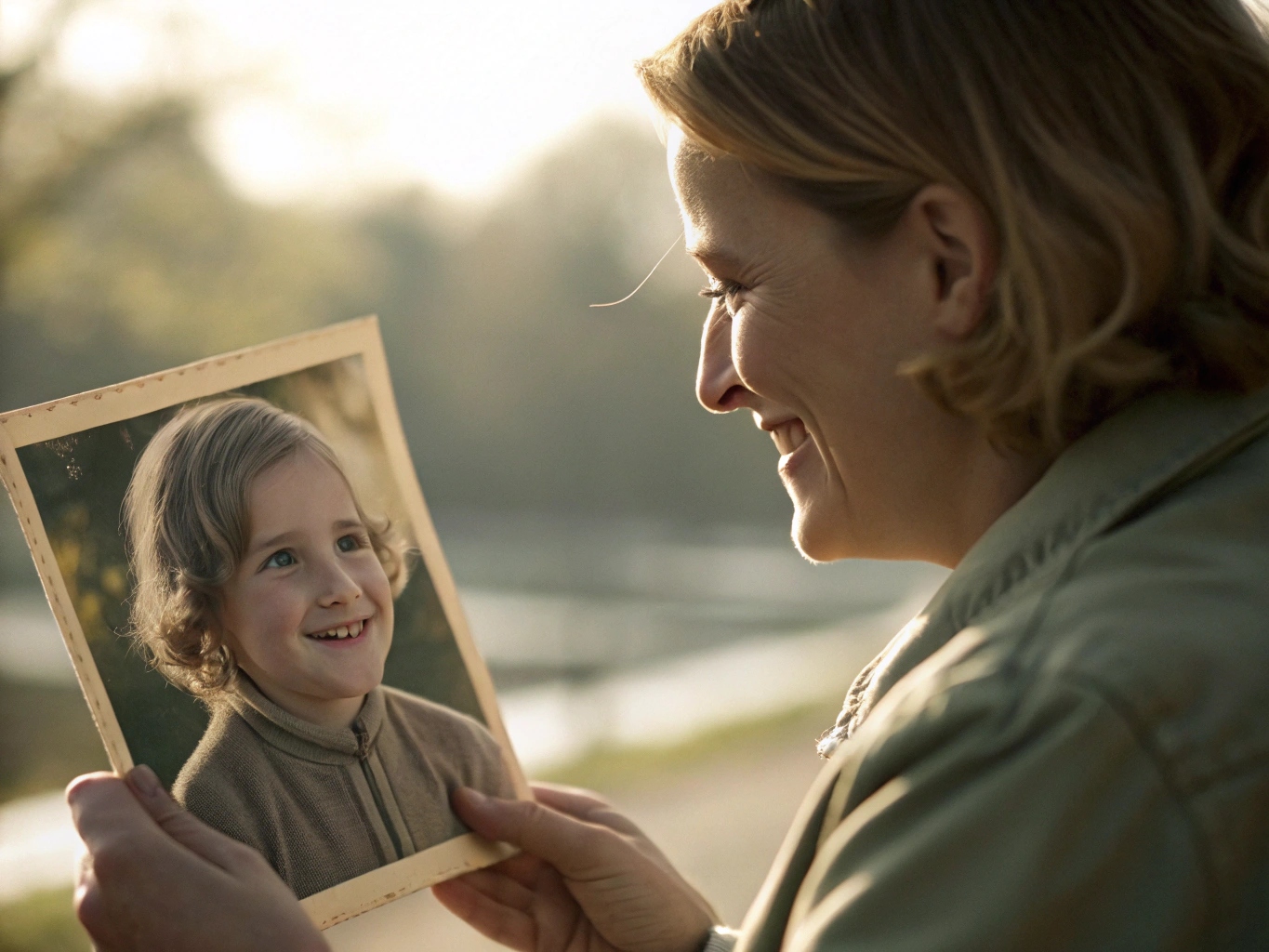
After releasing the pain, comes reconnection — the moment you meet the parts of yourself that got lost in the trauma.
This is where inner child work becomes powerful.
You might visualize your younger self, write letters to them, or speak affirmations such as:
“You didn’t deserve what happened.”
“You are safe now.”
This stage teaches you to become your own source of love and safety — something you may not have received consistently as a child.
Through this emotional recovery stage, you begin to integrate compassion, rather than rejection, for your younger self.
It’s not about reliving the past; it’s about reclaiming the parts of you that still need care.
5. Rebuilding — Developing New Beliefs and Boundaries
The fifth stage of healing is rebuilding, when you start forming new emotional patterns and belief systems.
Trauma often leaves behind distorted inner messages:
-
“I’m not good enough.”
-
“I have to earn love.”
-
“It’s unsafe to trust anyone.”
In therapy or journaling, you challenge and replace these with truths that align with the present:
-
“I deserve respect.”
-
“My needs matter.”
-
“I can choose relationships that are safe.”
This stage often includes learning healthy boundaries — saying “no” without guilt, recognizing manipulation, and protecting your energy.
It’s one of the most empowering stages of healing from childhood trauma, because you finally start living by design, not by defense.
6. Integration — Living Without the Old Survival Patterns
Once new beliefs take root, the next stage is integration — weaving the insights and lessons from therapy into your everyday life.
You begin to notice moments of calm where there was once chaos.
Triggers still happen, but instead of reacting automatically, you pause, breathe, and respond consciously.
Integration is where emotional healing becomes embodied — not just understood intellectually, but felt in your nervous system.
This is where trauma therapy techniques like somatic experiencing, mindfulness, and grounding exercises play a key role.
In this stage, you realize you no longer need to “fix” yourself.
You’ve learned to coexist peacefully with your past — the mark of deep emotional recovery.
7. Growth — Turning Pain into Purpose
The final stage of healing from childhood trauma is growth — transforming your story into a source of meaning and strength.
Many survivors reach this point naturally after consistent self-work. They become advocates, healers, or simply more compassionate people in their relationships.
They learn that their pain didn’t define them — it refined them.
Growth doesn’t mean you never feel pain again; it means you’re no longer controlled by it.
You can revisit memories without being consumed, love without fear, and trust yourself to navigate life’s challenges.
At this stage, you may experience what psychologists call post-traumatic growth — the ability to find deeper empathy, purpose, and resilience through what you’ve overcome.
The Real Secret: Healing Is a Spiral, Not a Straight Line
While these stages of healing from childhood trauma provide a roadmap, the process isn’t linear.
You might revisit earlier stages — grieving after progress, reconnecting after a setback — and that’s completely normal.
Healing is a spiral, not a staircase. Each turn brings new insight, greater peace, and deeper self-understanding.
Whether you’re just beginning or already deep into your journey, remember:
Healing is not about erasing the past — it’s about reclaiming your power in the present.
Every step you take, no matter how small, is a triumph of courage over silence.
How Therapy Supports Every Stage
Working with a trauma-informed therapist can accelerate and stabilize this journey.
Therapists trained in approaches such as CBT (Cognitive Behavioral Therapy), IFS (Internal Family Systems), or EMDR (Eye Movement Desensitization and Reprocessing) help guide you through each stage safely.
They provide a supportive environment to process emotions, understand triggers, and build resilience — all essential components of the childhood trauma healing process.
Therapy doesn’t erase your past — it teaches you to live freely despite it.
Conclusion: From Survival to Self-Love
The path through the seven stages of trauma healing is not easy, but it is sacred.
Each stage — from awareness to growth — is a step away from fear and toward freedom.
You can’t change your childhood, but you can change its impact.
By meeting your pain with compassion instead of judgment, you create a new story — one rooted in self-trust, courage, and love.
You are not broken.
You are healing.
And healing, in all its stages, is the most profound form of strength.