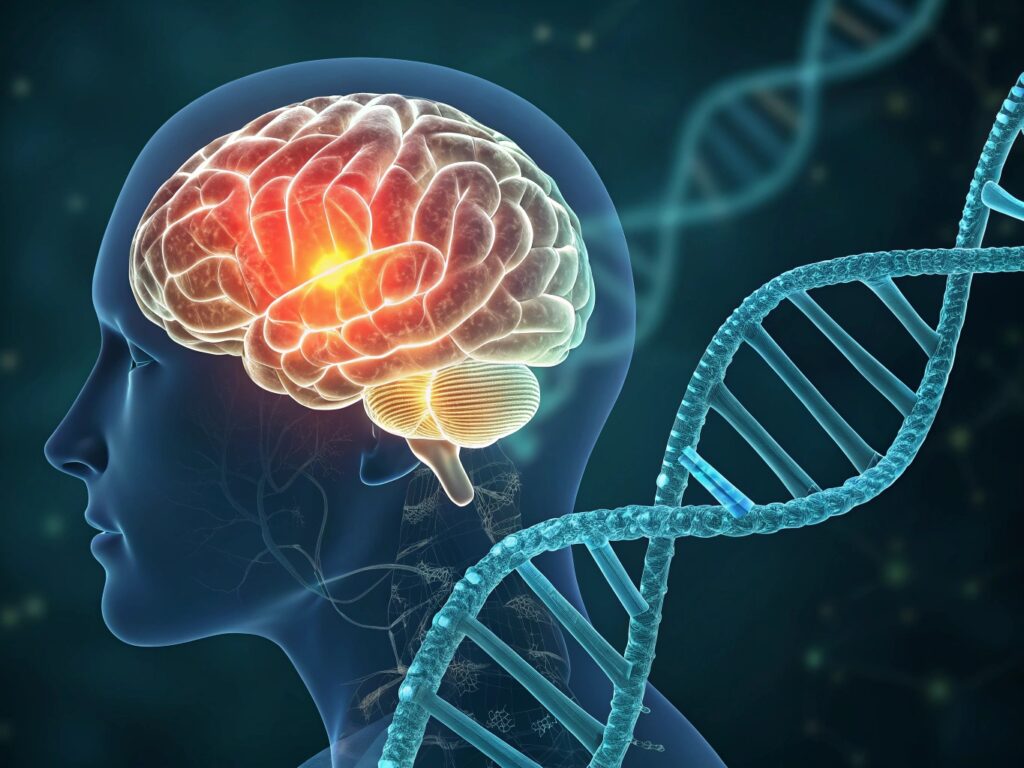
The Age-Old Question of Nature vs. Nurture
Narcissism has become a familiar term in modern conversations about relationships, mental health, and toxic behaviors. But psychologists have long debated the origins of narcissistic traits. The central question remains: Are narcissists born or made?
Is narcissism written into a person’s DNA, or does it emerge from parenting styles, trauma, and cultural influences? Recent scientific research suggests the answer lies in a complex interaction between biology and environment. Let’s explore what we know about how narcissistic personalities develop.
What Is Narcissism?
Before exploring causes, it’s important to define what we mean by narcissism.
Healthy vs. Pathological Narcissism
-
Healthy narcissism: A normal level of self-confidence, ambition, and self-worth. It helps people pursue goals and maintain self-esteem.
-
Pathological narcissism: When self-focus becomes extreme, leading to manipulation, lack of empathy, and fragile self-esteem. At its most severe, this can manifest as Narcissistic Personality Disorder (NPD).
Understanding this distinction matters because not everyone with narcissistic traits has NPD. The question “are narcissists born or made” usually refers to those with pathological narcissism.
The Biological Roots of Narcissism
Genetic Influences
Studies of twins and families show that genetics play a role in personality development, including narcissistic tendencies. Research suggests that traits like impulsivity, aggression, and low empathy—often linked to narcissism—can be heritable.
While there is no “narcissism gene,” certain inherited traits can increase vulnerability to developing narcissistic behaviors, especially in challenging environments.
Brain Structure and Function
Neuroscientific studies reveal differences in the brains of people with high narcissistic traits:
-
Reduced gray matter volume in brain regions linked to empathy and compassion.
-
Heightened activity in areas connected to self-focus and reward.
These findings suggest that biology shapes how narcissists process emotions, rewards, and social interactions. But biology alone doesn’t explain the whole story.

Environmental Influences: How Narcissism Is Shaped
Parenting Styles
Childhood environment is one of the strongest predictors of narcissistic traits. Two extremes often play a role:
-
Overindulgence and overvaluation – When children are excessively praised, told they are superior, and shielded from accountability, they may develop inflated self-importance.
-
Neglect and abuse – On the flip side, children who experience emotional neglect or harsh criticism may develop narcissistic defenses as survival strategies.
In both cases, the child’s authentic self is undermined, replaced by a fragile self-image reliant on external validation.
Trauma and Insecurity
Many psychologists view narcissism as a defense mechanism. A child exposed to trauma, rejection, or instability may learn to mask vulnerability with arrogance, entitlement, or control. This helps them cope in the short term but creates long-term relational struggles.
Cultural and Social Factors
Modern culture also plays a role. Societies that emphasize individual achievement, wealth, and status often encourage narcissistic traits. Social media intensifies this by rewarding self-promotion, comparison, and image-focused living.
Thus, environment can nurture narcissism even in those without strong biological predispositions.
The Interaction: Born AND Made
So, are narcissists born or made? The most accurate answer is both.
-
Biological predispositions (like impulsivity, low empathy, or high sensitivity to criticism) set the stage.
-
Environmental influences (parenting, trauma, cultural values) shape how those traits develop.
In other words, narcissism is not destiny—it’s the result of interaction between genes and environment. Someone born with certain vulnerabilities may never become narcissistic if raised in a supportive, balanced environment. Conversely, even a child without genetic predispositions can develop narcissistic traits under toxic conditions.
Are Narcissists Aware of Their Behavior?
This is another common question. Some narcissists are highly self-aware, but others operate unconsciously, driven by deep insecurity. Their behavior often masks fragile self-esteem, meaning they crave admiration but collapse under criticism.
This explains why many narcissists struggle in relationships—while appearing confident, they are often hiding wounds rooted in childhood experiences.
Can Narcissism Be Treated or Changed?
Therapy Approaches
Treatment for narcissism is challenging, but not impossible. Therapies like Cognitive Behavioral Therapy (CBT) and Schema Therapy aim to:
-
Address underlying trauma and insecurity.
-
Teach empathy and healthier coping mechanisms.
-
Break cycles of manipulation and defensiveness.
Motivation Is Key
Lasting change usually requires genuine willingness from the narcissist to self-reflect. Without this, progress is limited. Support for partners or family members is often equally important in navigating these dynamics.
What Science Reveals About Narcissism’s Origins
Key Insights
-
Narcissists are neither purely born nor purely made—it’s an interaction.
-
Genes and brain structures create vulnerabilities.
-
Childhood environments and cultural pressures shape outcomes.
-
Narcissism often masks deep insecurity and emotional wounds.
This means the question “are narcissists born or made” isn’t about choosing one side—it’s about understanding how complex human personality really is.
Conclusion: Beyond the Label
Narcissism is not just a character flaw or a life sentence—it is a condition shaped by both nature and nurture. The interplay of biology, childhood experiences, and cultural context creates the patterns we recognize as narcissistic behavior.
So, are narcissists born or made? The answer is both. And by understanding this complexity, we can move beyond stereotypes, reduce stigma, and focus on healing—for narcissists themselves and for those impacted by their behavior.