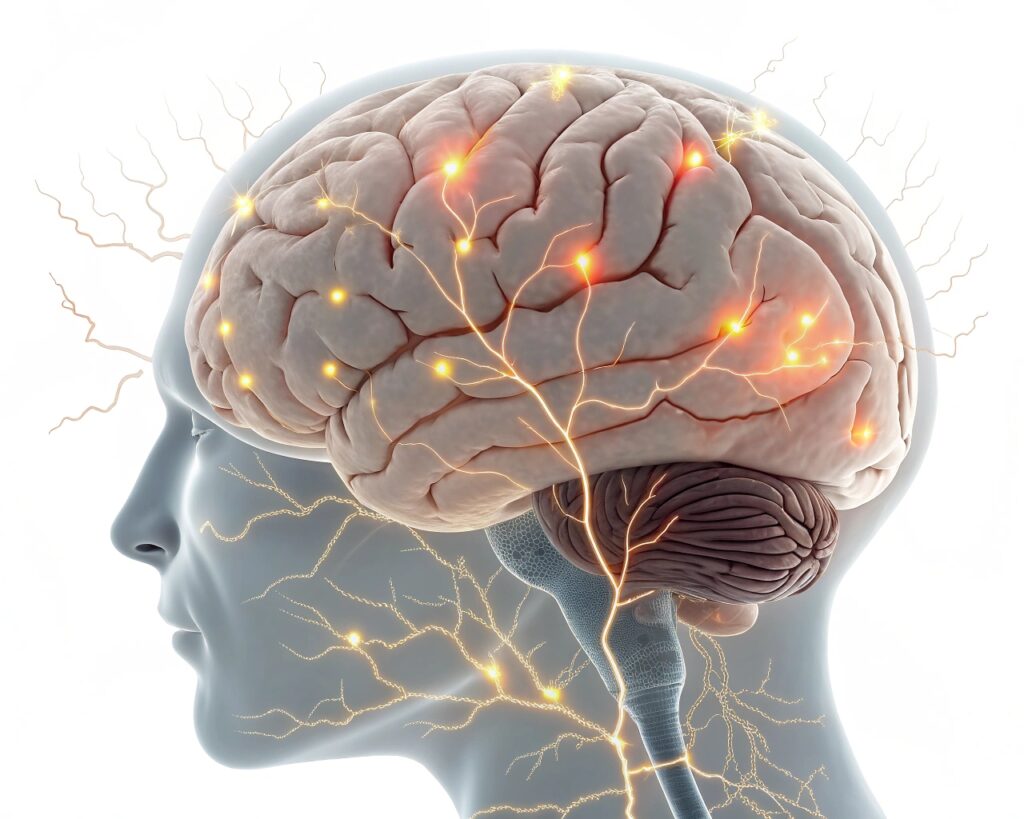
Steroids have a powerful reputation in both medicine and athletics. They can save lives, speed up recovery, and reduce inflammation — but they also come with a lesser-known risk: they can profoundly affect your mind.
For some people, steroid use triggers serious psychiatric symptoms, including steroid-induced psychosis — a condition marked by hallucinations, delusions, and drastic mood changes. This raises an important question: why do steroids cause psychosis in certain individuals?
In this guide, we’ll explore how steroids affect the brain, the difference between medical corticosteroids and anabolic steroids, and the warning signs you should never ignore.
1. What Is Steroid-Induced Psychosis?
Steroid-induced psychosis is a rare but serious psychiatric side effect of steroid use. It can occur with both corticosteroids (prescribed to treat inflammation, autoimmune diseases, and asthma) and anabolic steroids (often misused for muscle building and performance enhancement).
The condition involves a break from reality, where a person may:
-
Experience hallucinations (seeing or hearing things that aren’t there)
-
Develop delusions (strong false beliefs not based in reality)
-
Exhibit extreme mood swings, agitation, or paranoia
The onset can be sudden, sometimes within days of starting steroid treatment or increasing the dose.
2. Corticosteroids vs. Anabolic Steroids: Both Can Affect the Brain
When asking why do steroids cause psychosis, it’s important to distinguish between the two main types:
-
Corticosteroids (e.g., prednisone, dexamethasone): Used medically to suppress inflammation and immune system activity.
-
Anabolic steroids (e.g., testosterone derivatives): Used to promote muscle growth, sometimes illegally in sports and bodybuilding.
Both types can trigger psychiatric effects, but the mechanisms and risk factors differ.
-
Corticosteroids: Psychosis is often linked to high doses or long-term use for conditions like lupus, arthritis, or cancer treatment.
-
Anabolic steroids: Psychiatric symptoms often appear in the context of prolonged misuse, high-dose “cycles,” or abrupt withdrawal.
3. How Steroids Affect the Brain
Steroids can influence brain chemistry in several ways, explaining how steroids affect the brain and why they may cause severe psychiatric effects:
a. Hormonal Imbalance
Steroids alter levels of key hormones, including cortisol and testosterone. These hormones influence mood, cognition, and stress response. Sudden spikes or drops can destabilize emotional regulation.
b. Neurotransmitter Disruption
Steroids may affect dopamine and serotonin pathways. An excess of dopamine, for example, is associated with psychotic symptoms like hallucinations and delusions.
c. Brain Region Changes
Some studies suggest steroids impact the hippocampus (memory) and prefrontal cortex (decision-making and impulse control), potentially leading to impaired judgment and distorted reality perception.
4. Causes of Steroid-Induced Psychosis
While the exact reason varies from person to person, several factors contribute to the causes of steroid-induced psychosis:
-
High Dosage — Large doses, especially of corticosteroids, significantly increase risk.
-
Duration of Use — Long-term use can cause cumulative effects on brain chemistry.
-
Individual Sensitivity — Some people are genetically or biologically more susceptible.
-
Pre-existing Mental Health Conditions — Those with a history of depression, anxiety, or bipolar disorder may be more vulnerable.
-
Withdrawal Effects — Abruptly stopping steroids can cause hormonal crashes, leading to mood instability and, in rare cases, psychosis.

5. Symptoms to Watch For
Recognizing steroid psychosis symptoms early is critical for getting help:
-
Sudden paranoia or suspiciousness
-
Hearing voices or seeing things that aren’t real
-
Extreme agitation or aggression
-
Disorganized thinking or speech
-
Drastic mood swings (euphoria to depression)
-
Insomnia combined with unusual energy levels
While some steroids mental side effects may seem mild at first — like irritability or trouble sleeping — they can escalate quickly without intervention.
6. Anabolic Steroids and Psychosis: The “Roid Rage” Link
When people hear about anabolic steroids and psychosis, they often think of “roid rage” — the intense anger and aggression sometimes reported in steroid users.
While “roid rage” is real for some, psychosis can go beyond aggression:
-
Grandiose delusions (“I’m invincible”)
-
Reckless decision-making
-
Complete disconnection from reality
These psychiatric effects often appear during high-dose cycles or when combining multiple steroid types (“stacking”). The danger increases when steroids are taken without medical supervision.
7. Corticosteroids and Mental Health in Medical Settings
Even when used for legitimate medical purposes, corticosteroids and mental health risks shouldn’t be underestimated.
For example, high-dose prednisone prescribed for severe asthma or autoimmune disease can trigger:
-
Anxiety
-
Mood swings
-
Depressive episodes
-
Full-blown psychosis in rare cases
The risk is highest within the first two weeks of treatment, especially at doses equivalent to 80 mg or more of prednisone per day.
Doctors often warn patients about these side effects, but symptoms can still be missed or mistaken for stress from illness.
8. Why Only Some People Develop Psychosis
One of the most puzzling questions is why some people can take steroids without psychiatric effects, while others quickly develop severe symptoms.
Researchers believe this comes down to:
-
Genetic vulnerability (variations in how the brain processes dopamine)
-
Past mental health history
-
Stress levels and concurrent illnesses
-
Interactions with other medications
This means steroids and psychosis are not a guaranteed pairing, but the risk is real enough to require vigilance.
9. Treatment and Recovery
If someone develops steroid-induced psychosis, treatment usually involves:
-
Reducing or stopping the steroid (with medical supervision to avoid dangerous withdrawal effects).
-
Using antipsychotic medication temporarily to manage symptoms.
-
Psychiatric monitoring until mental health stabilizes.
Recovery can be rapid — some people return to baseline within days of stopping steroids — but for others, symptoms may linger for weeks.
10. Preventing Steroid-Induced Psychosis
If you need steroids for a medical condition, you can lower your risk of psychiatric effects:
-
Use the lowest effective dose for the shortest time possible.
-
Report any mood or behavior changes immediately to your doctor.
-
Avoid abrupt discontinuation — taper doses gradually.
-
Be extra cautious if you have a mental health history.
For athletes or bodybuilders, the safest prevention is avoiding anabolic steroid misuse altogether. The physical and mental health risks outweigh the short-term performance gains.
Final Thoughts
The question “why do steroids cause psychosis?” doesn’t have a single answer — it’s a mix of brain chemistry changes, hormonal disruption, and individual vulnerability. Whether it’s high-dose corticosteroids for an illness or anabolic steroids for performance, the risk to mental health is real.
Knowing the steroid psychosis symptoms and understanding the psychiatric effects of steroids can help you recognize warning signs early. With prompt medical attention and proper management, most people recover fully — but awareness is the first step in prevention.