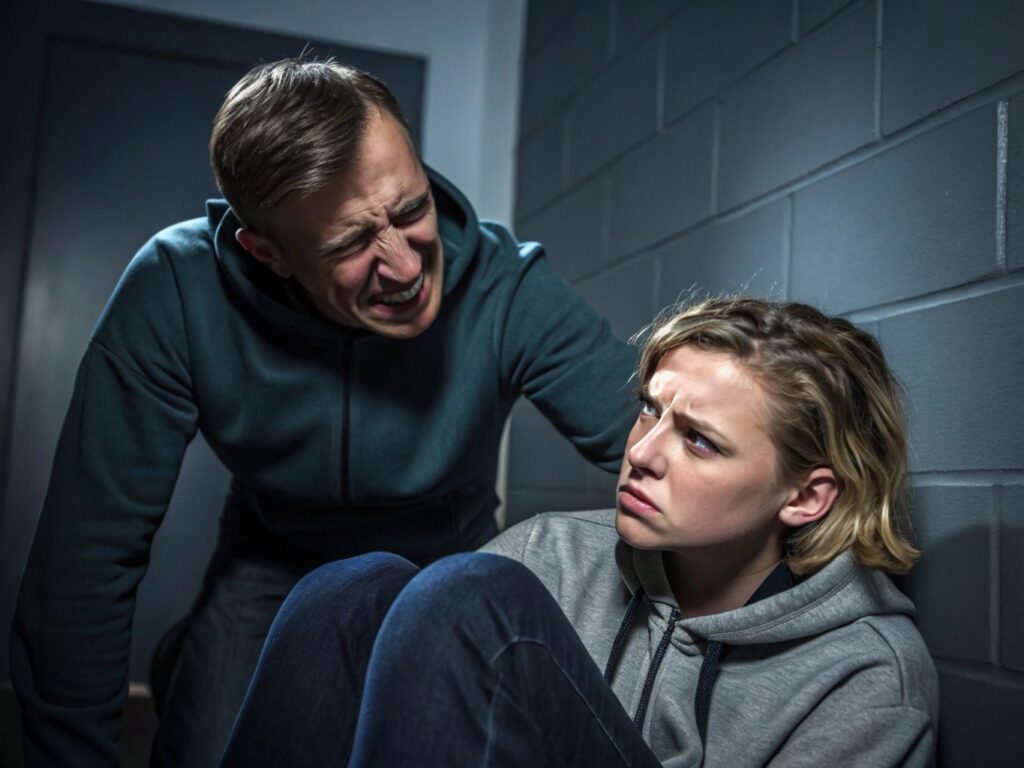
When people hear the term PTSD, their minds often jump to combat veterans or survivors of natural disasters. But trauma wears many faces, and one of the most silent and insidious forms is PTSD from an abusive relationship. The pain of abuse doesn’t always end when the relationship does. For many survivors, the emotional wounds linger—unseen, unspoken, and deeply felt.
What Is PTSD and How Does It Happen in Relationships?
Post-traumatic stress disorder (PTSD) is a mental health condition triggered by experiencing or witnessing a traumatic event. While often associated with single, catastrophic incidents, PTSD can also develop from prolonged emotional trauma, such as being in a relationship marked by manipulation, fear, isolation, and control.
In abusive relationships, trauma isn’t always loud. It might come in the form of:
-
Constant emotional invalidation;
-
Walking on eggshells to avoid triggering anger;
-
Cycles of love bombing followed by withdrawal or punishment;
-
Gaslighting that erodes your sense of reality.
Over time, the nervous system adapts to danger as the new normal. After leaving, that high-alert state doesn’t just disappear. This is where PTSD can begin to take root.
Symptoms of PTSD from an Abusive Relationship
PTSD manifests differently for everyone, but survivors of relationship abuse often experience a specific cluster of symptoms. These can include:
1. Emotional Flashbacks
Unlike visual flashbacks common in war-related PTSD, emotional flashbacks bring intense waves of fear, shame, or helplessness without a clear memory. A harmless text message or tone of voice can suddenly feel threatening, evoking the same survival instinct the abuse triggered.
2. Hypervigilance
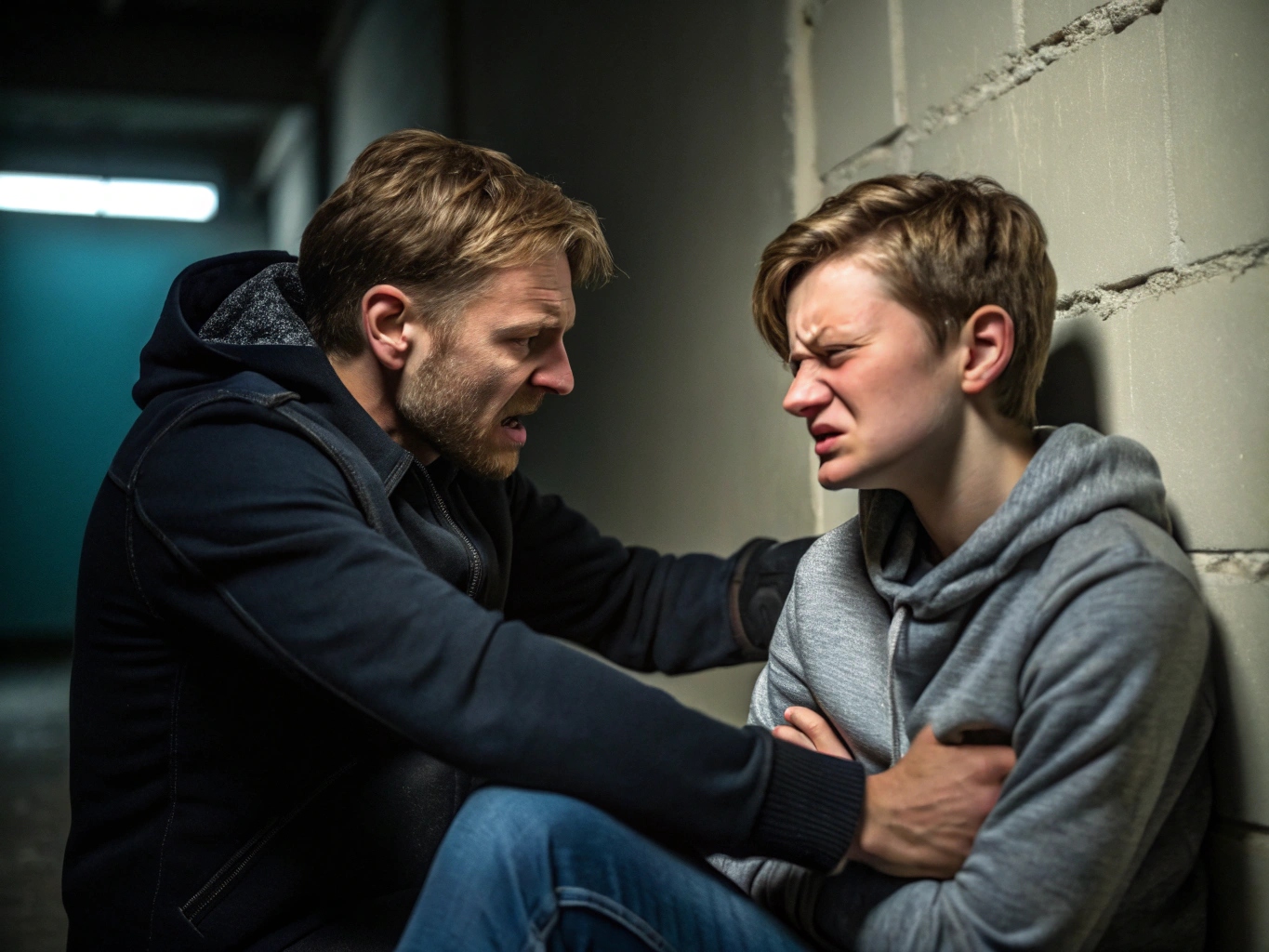
You might constantly scan your environment for danger—even in safe settings. Loud noises, arguments, or someone raising their voice can cause panic. You’re always bracing for an emotional hit that may never come.
3. Avoidance and Numbing
To protect yourself, you may avoid places, people, or conversations that remind you of the abuse. Emotions can shut down completely, making it hard to feel joy, love, or connection.
4. Intrusive Thoughts and Nightmares
Memories of the abuse may replay on loop in your mind or disrupt your sleep. Dreams may be vivid and disturbing, dragging you back into moments you’d rather forget.
5. Low Self-Worth and Guilt
Survivors often internalize the abuser’s voice. Thoughts like “I deserved it” or “I’m broken” are common and deeply damaging. Many also feel guilt for staying in the relationship or for not leaving “sooner.”
Why PTSD from Relationship Abuse Is Often Misunderstood
Emotional and psychological abuse don’t leave bruises—but they leave scars. Because society tends to minimize non-physical abuse, survivors often question whether their trauma is “real enough” to warrant help. This invalidation only deepens the wound.
Moreover, abusive partners often alternate cruelty with affection, creating a powerful trauma bond. That cycle of fear and comfort blurs the lines between love and harm, making healing even more complex.
How Healing Begins
The first step in healing from PTSD after an abusive relationship is acknowledging that what you went through was traumatic. That validation—whether it comes from a therapist, support group, or inner work—is crucial.
1. Seek Trauma-Informed Therapy
Therapists trained in trauma recovery can help you process your experience safely. Methods like EMDR (Eye Movement Desensitization and Reprocessing), IFS (Internal Family Systems), or trauma-focused CBT are particularly effective.
2. Reconnect with Your Body
Trauma lives in the body. Gentle practices like yoga, somatic therapy, or grounding techniques can help you feel safe again in your own skin.
3. Build a Safe Support Network
Surround yourself with people who listen without judgment. Online communities, support groups, or even a single friend who believes you can make a world of difference.
4. Practice Self-Compassion
Healing isn’t linear. There will be setbacks. Be gentle with yourself. You survived something incredibly difficult—and every small step forward matters.
You Are Not Alone
PTSD from an abusive relationship can feel isolating, but you are not broken. You are not to blame. You are not weak.
You were strong enough to endure the storm, and you are strong enough to heal from it. Your scars may be silent—but your story doesn’t have to be.